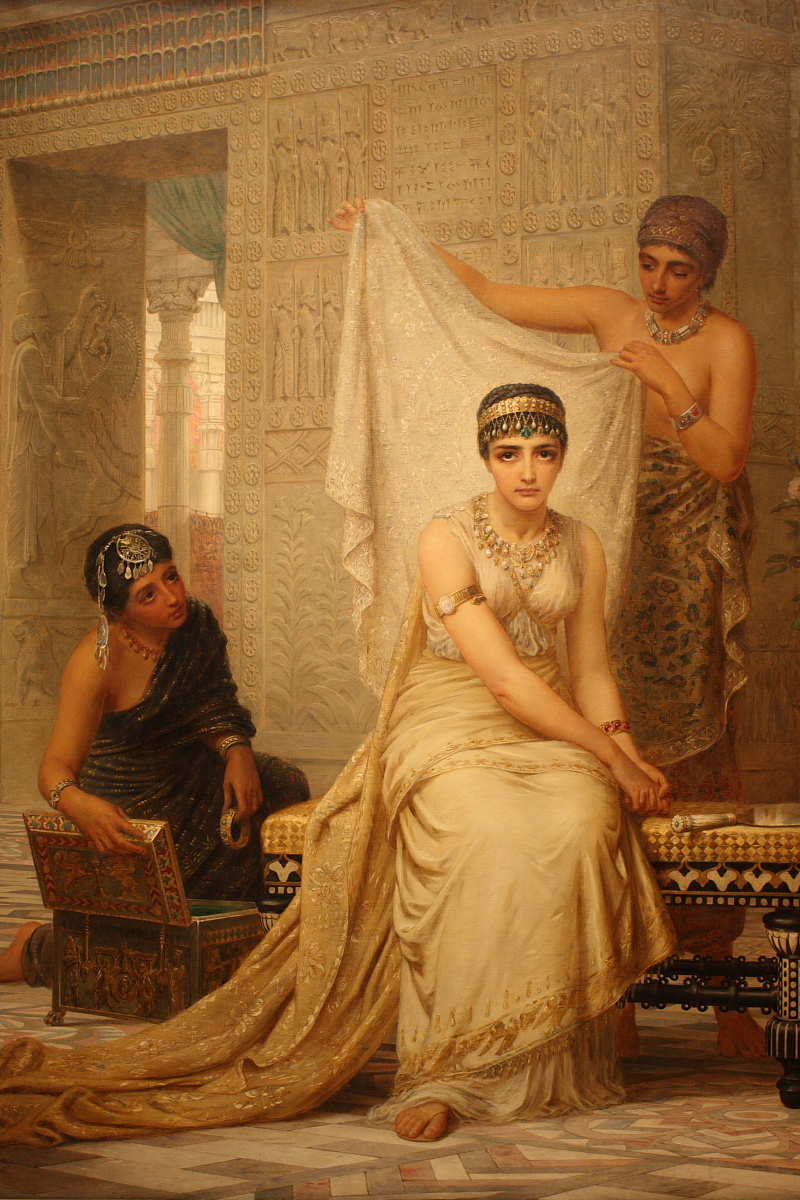
Esther Part 1
“The savage [said] defiantly, I’m claiming the right to be unhappy’ ‘Not to mention the right to grow old and ugly and impotent; the right to have syphilis and cancer; the right to have too little to eat, the right to be lousy; the right to live in constant apprehension of what may happen tomorrow; the right to catch typhoid; the right to be tortured by unspeakable pains of every kind.’” Adolphus Huxley Brave New World
Suffering is rapidly becoming a foul word today. Christians and atheist alike both view any suffering as a wrong apart from God’s will in the former or a failure of human progress in the latter. An illness is feared and avoided to the point we are willing to sacrifice relationships in order to avoid it. We put smart sensors all over our homes and bodies just to avoid minor unpleasantries. If we cannot train ourselves to endure and grow in small trials, what chance will we have enduring real suffering when it comes?
If civil liberties are violated, immediately Americans stand up and scream for their rights. Sometime this may be called for, but at other times, suffering injustice is exactly what we are supposed to do. This statement is heretical to modern minds, but it should not be to the Christ follower. How are we to know when we are being called to suffer or when we are called to stand against oppression.
The Old Testament book of Esther exemplifies the choice to acquiesce or defy suffering. In the story, a tyrannical Persian king seeks a new queen by gathering all the beautiful virgins of his kingdom and sleeping with each one until he finds his favorite. A young Jewish girl, Hadassah is being raised by her uncle, Mordecai, and is caught up in this sexual dragnet. In order to protect her ethnic origins, her uncle instructs her to go by the pseudonym Esther, and suffer the tyranny of sexual enslavement under the foreign king. Esther is selected to become the new queen and married to her people’s oppressor. Her suffering is unimaginable.
As Esther is going through her ordeal, her Uncle Mordecai, is also challenged. The kingdom’s law proscribed all would bow to the king’s second-in-command, Haman. But Uncle Mordecai who has been standing watch at the palace gates refuses to kneel before Haman when he parades out. He will not bow before any man or god other than God Himself. Haman’s pride enflames his anger against the Jews because of Mordecai’s insubordination and he is determined to seek revenge.
I will continue on with the details of this story next week, but these comparisons between Esther and Mordecai are striking. On one hand, a young woman is stripped of her ethnic identity, forced into sexual enslavement, and married to her people’s enemy. She submits to all of these injustices without any objection. But when her uncle is confronted with simply bowing before a royal official, he refuses. It would certainly seem that Esther has the greater right to objection than Mordecai does. But this story reveals a different truth.
Looking at this story through the lens of Jesus, we understand suffering tribulations in a clearer light. Jesus says in Luke 9:23 “Whoever wants to be my disciple must deny themselves and take up their cross daily and follow me.” Likewise, St.Paul quotes Psalms 44:22 when he says to the Christians in Rome “Yet for your sake we face death all day long; we are considered as sheep to be slaughtered.” (Romans 8:36). Christ makes no defense to suffering. In his words and his actions suffering is a taken for granted. Christ even makes denying our own desires and suffering a prerequisite to being a disciple of his. This is not a call to go out and look for ways to suffer, but when it comes, it is certainly not supposed to be cured like a disease. Esther is the embodiment of this message and her patient suffering is in Christ model.
On the other side of the argument. There are times we cannot bend to the will of others. When asked what is the greatest commandment, Christ quotes Deuteronomy 6:5 “Love the Lord your God with all your heart and with all your soul and with all your strength.” ‘Loving the Lord your God’ means never putting false ideas of the world before Him. We are to place His commands before all others. Mordecai could not bow to Haman without violating the greatest of God’s commandments.
What does this all mean to us? It means everything! When Christians are facing challenges and dilemmas, we must ask ourselves, which of these two paths are we going to take? The choice may seem hard, but this actually simplifies our choice. If our bodies, culture, or anything aside from the spiritual bending of our soul to God, we must embrace the suffering for Christ sake. But, if the world commands us to accept moral perversions, political dogmas, and social activism we must reject them for Christ. By this we Christians claim the right to suffer with Christ.
 Dad Devotional